
4 HVAC Problems That Start Small and End in Major Repairs
This article highlights the importance of contacting local HVAC contractors about potential HVAC issues, as even problems that seem minor can escalate into major repairs.
1. Filter Obstructions
1.1 Introduction to Filter Problems
Filter obstructions are among the most common yet frequently overlooked HVAC issues. When HVAC filters become clogged with dust, debris, and other particles, they obstruct air flow, causing the system to strain. This unnecessary strain often leads the system to consume more energy while providing less heating or cooling. Occupants may notice that rooms aren't reaching the desired temperature as efficiently as before. Over time, if left unaddressed, this minor issue can amplify, potentially leading to the need for significant repairs.
1.2 Impact on Air Quality
Obstructed filters do not just affect system performance; they also significantly degrade indoor air quality. As filters clog, they lose their ability to capture dust, pollen, and other pollutants. These particles then circulate within the living space, potentially exacerbating allergies and respiratory problems. Poor indoor air quality can lead to increased health complications and discomfort for all building occupants. Addressing filter obstructions promptly can prevent such health issues from arising.
1.3 Energy Efficiency Concerns
Another repercussion of disregarding filter obstructions is decreased energy efficiency. HVAC systems struggling with airflow must work harder to maintain set temperatures, causing spikes in energy consumption. Consequently, homeowners may experience a noticeable increase in utility bills during peak heating or cooling periods. This operational inefficiency not only drains financial resources but also contributes to the fast wear and tear of the system's components. Regular filter maintenance can significantly enhance energy efficiency and reduce costs.
1.4 Potential for Overheating
Restricted air flow caused by clogged filters can lead to overheating within the HVAC system. Components like the blower motor or heat exchanger may work overtime, elevating the risk of overheating and eventual failure. Overheating can result in system shutdowns or more serious damage, such as melted components or electrical faults. The long-term damage can ultimately necessitate extensive and costly repairs, if not a complete system replacement. Preventive filter checks and changes can help avoid these problems.
2. Thermostat Malfunctions
2.1 Thermostat Issues
A malfunctioning thermostat can manifest in various ways, including inconsistencies between actual room temperature and the set temperature. Users may find their spaces too hot or too cold, despite setting the thermostat correctly. Additionally, frequent system cycling or an unresponsive control panel can signal deeper issues. Identifying these symptoms early allows for timely interventions, averting larger problems down the line.
2.2 Effects on System Performance
Thermostat malfunctions can considerably impact HVAC system performance. An inaccurate thermostat struggles to gauge and maintain desired temperatures, leading to inefficient heating or cooling cycles. Over time, the system's inconsistent operation contributes to overall inefficiency, transformed into higher energy usage. Addressing thermostat issues promptly is crucial to maintaining optimal system performance and comfort levels.
2.3 Energy Wastage
A faulty thermostat can be a significant source of energy wastage. When the thermostat cannot accurately control the heating or cooling cycles, the HVAC system may run unnecessarily long or short cycles. This erratic behavior results in excessive energy consumption and elevated utility bills. By ensuring thermostats are in good working order, energy usage can be optimized, and costs reduced. It's important to remember that consistent energy efficiency begins with reliable temperature controls.
2.4 Long-term Damage Risks
Irregular operations caused by thermostat malfunctions present risks for long-term damage to HVAC systems. Continuous stress from improper cycling can wear down components such as the compressor and blower motors. According to HomeGuide, replacing an HVAC system is often recommended when repair costs reach at least 50% of the price of a new unit. Consequently, it's imperative to address potential thermostat issues before they require costly replacements. Regular maintenance checks can help detect and correct these issues early.
3. Refrigerant Leaks
3.1 Signs of Refrigerant Leaks
Refrigerant leaks can pose severe threats to HVAC systems as well as environmental safety. One common sign of a refrigerant leak includes a hissing sound emanating from the system, indicating a potential breach in the lines. Users might also notice decreased cooling efficiency, where the system struggles to maintain the set temperature. Increased humidity levels or the presence of ice on the refrigerant line or evaporator coils may also signal leaks. Prompt detection and resolution are crucial to avoid significant system damage.
3.2 Impact on Cooling Efficiency
Refrigerant is vital for the cooling process, and leaks directly reduce an HVAC system's efficiency. With insufficient refrigerant levels, the system cannot absorb heat adequately, leading to inadequate cooling. Occupants may experience inexplicably warm indoor spaces despite the system running continuously. This can cause discomfort and escalate energy costs due to prolonged system operation. Repairing leaks and recharging refrigerant are essential to restoring the desired level of system performance.
3.3 Environment and Health Concerns
Many refrigerants are potent greenhouse gases with significant contributions to global warming. Additionally, exposure to leaking refrigerant can be harmful, potentially causing respiratory issues for individuals. Addressing leaks promptly not only maintains system efficiency but also safeguards environmental health. Homeowners and businesses should take swift action to resolve detected refrigerant issues to prevent adverse effects.
3.4 Mechanical Strain and Damage
Unchecked refrigerant leaks place additional strain on the HVAC system and its components. The compressor, for instance, may operate under duress, attempting to compensate for low refrigerant levels. Over time, this added stress can lead to compressor failure, which is a costly repair. Homeowners may find themselves weighing repair costs against replacing the entire unit, especially if damage is extensive. Regular system checks and professional assessments are the best defense against such mechanical failures.
4. Electrical Issues
4.1 Common Electrical Problems in HVAC Systems
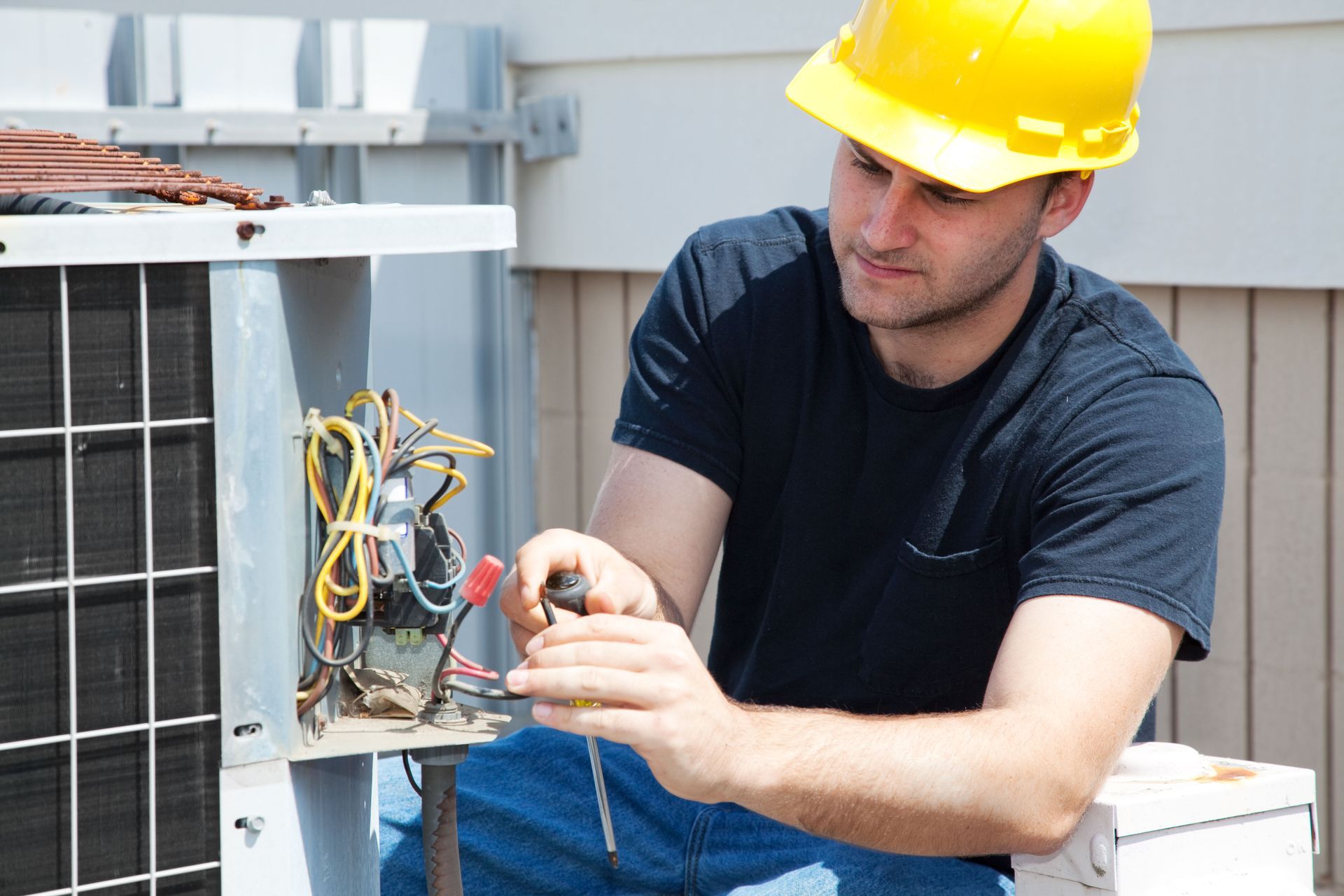
Electrical issues can arise frequently in HVAC systems, resulting in significant challenges if not addressed promptly. Common electrical problems include tripped circuit breakers, worn or damaged wiring, and faulty capacitors. These faults can lead to intermittent operation, complete system shutdowns, or even pose significant fire hazards. A proactive approach to recognizing and resolving these issues is vital for extending the system's lifespan. Regular inspection and maintenance of electrical components can avert potential disasters.
4.2 Causes of Electrical Failures
Factors contributing to electrical failures in HVAC systems can vary widely. Frequent power surges and fluctuations may damage electrical components, while degradation due to age presents another risk. Furthermore, pests may damage wiring leading to shorts or outages. Proper installations and the use of surge protectors can help mitigate many of these issues. Homeowners should be conscious of these factors and plan routine electrical assessments to ensure system integrity.
4.3 Consequences of Ignoring Electrical Problems
Ignoring electrical problems within an HVAC system can result in catastrophic consequences. The risk of electrical fires increases, particularly with faulty wiring or overloaded circuits. Moreover, complete system breakdowns may occur, necessitating costly repairs or replacements. Long-term damage incurred by unresolved electrical issues can be financially crippling, prompting the need for serious intervention. Timely attention to electrical warnings is essential for preventing these significant issues.
4.4 Routine Inspections and Maintenance
Routine electrical inspections are a cornerstone of effective HVAC maintenance. By scheduling regular system checks, homeowners can ensure that components like capacitors and wiring remain in good condition. Professionals can identify early signs of wear or faulty connections, preventing untimely and severe failures. Maintenance procedures may involve tightening loose connections and replacing outdated components. Regular upkeep is a small investment that can pay dividends by preventing expensive emergency repairs.
The potential of these issues to spiral into major problems reinforces the importance of addressing even minor HVAC issues promptly. Conducting regular maintenance checks and consulting
local HVAC contractors when necessary can help avoid major repair costs and system breakdowns. If you want to safeguard your HVAC system from escalating problems, reach out to RAM Heating & Cooling today!
Share On: